Oral Appliance Therapy: What It Is and How It Helps Sleep and Breathing Disorders
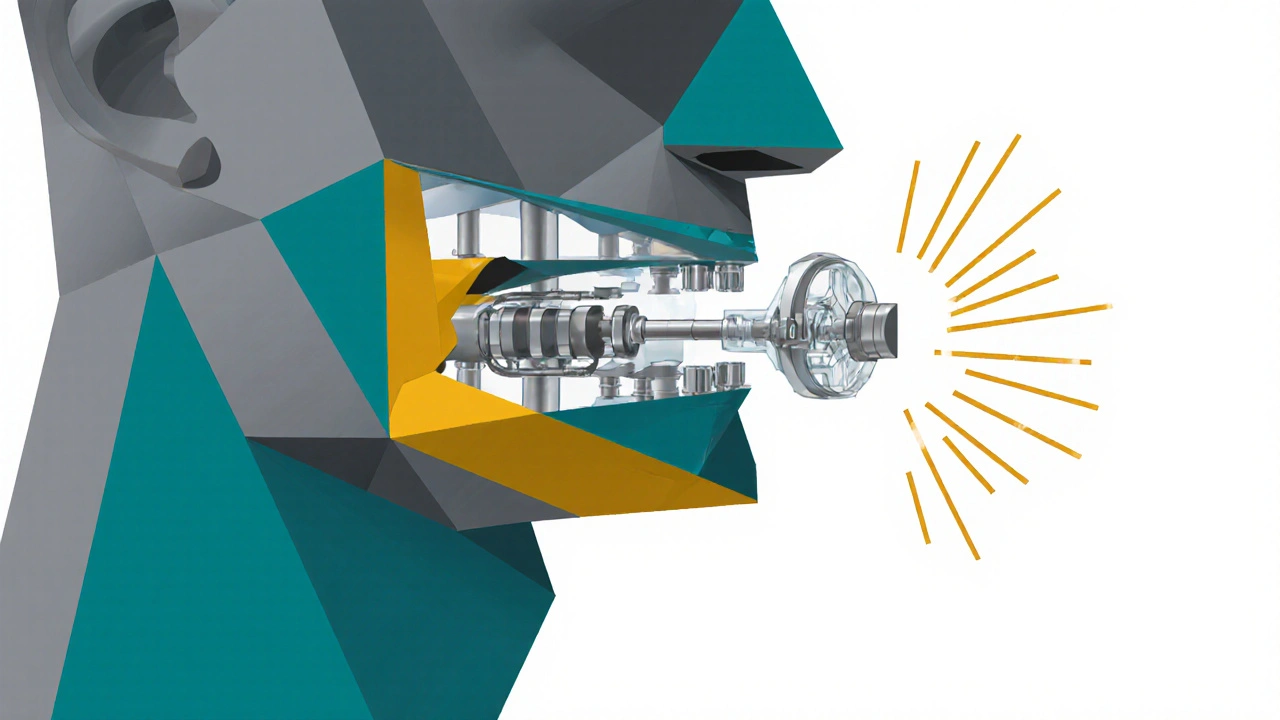
When you hear oral appliance therapy, a custom-fitted device worn in the mouth to keep the airway open during sleep. Also known as mandibular advancement device, it’s a quiet alternative to CPAP machines for people with mild to moderate sleep apnea or chronic snoring. Unlike machines that blast air into your nose, this small plastic device gently moves your lower jaw forward—just enough to stop your tongue and throat muscles from collapsing and blocking your airway while you sleep.
This isn’t just for people who snore loudly. It’s for anyone whose breathing stops repeatedly at night, even if they don’t feel tired during the day. sleep apnea, a condition where breathing pauses during sleep, often due to blocked airways affects more than 20 million Americans, and many don’t even know they have it. Oral appliance therapy is often the first step when CPAP feels too bulky, noisy, or uncomfortable. It’s also used by people who’ve tried CPAP and quit because it didn’t fit their lifestyle.
The device is made by a dentist trained in dental sleep medicine, a specialized field combining dentistry and sleep science to treat breathing disorders. You don’t buy one off the shelf. It’s custom-molded to your teeth, adjusted over time, and monitored to make sure it’s working. These aren’t one-size-fits-all mouthguards—they’re medical devices backed by FDA approval and clinical studies showing they reduce apnea events by 50% or more in many patients.
It’s not magic. You still need to follow up with your doctor, track your sleep, and sometimes combine it with weight loss or positional therapy. But for many, it’s the difference between waking up exhausted and waking up refreshed. It’s also the reason people stop sleeping on the couch, their partner stops asking them to stop snoring, and they finally feel like themselves again.
What you’ll find here are real stories and facts about how oral appliance therapy works in practice. From how it compares to other treatments, to who should avoid it, to the hidden side effects no one talks about—like jaw pain or tooth movement—you’ll see what actually happens when people use these devices long-term. You’ll also find advice on how to get one covered by insurance, how to tell if yours needs adjusting, and why some people give up too soon.