Polypharmacy: What It Is, Why It’s Risky, and How to Stay Safe
When you’re taking polypharmacy, the use of five or more medications at the same time. Also known as multiple medication use, it’s not just a number—it’s a growing health challenge that affects millions, especially older adults and people with chronic conditions like diabetes, heart disease, or autoimmune disorders. It’s not always avoidable. Some people need these drugs to survive. But the more pills you take, the higher the chance something will go wrong.
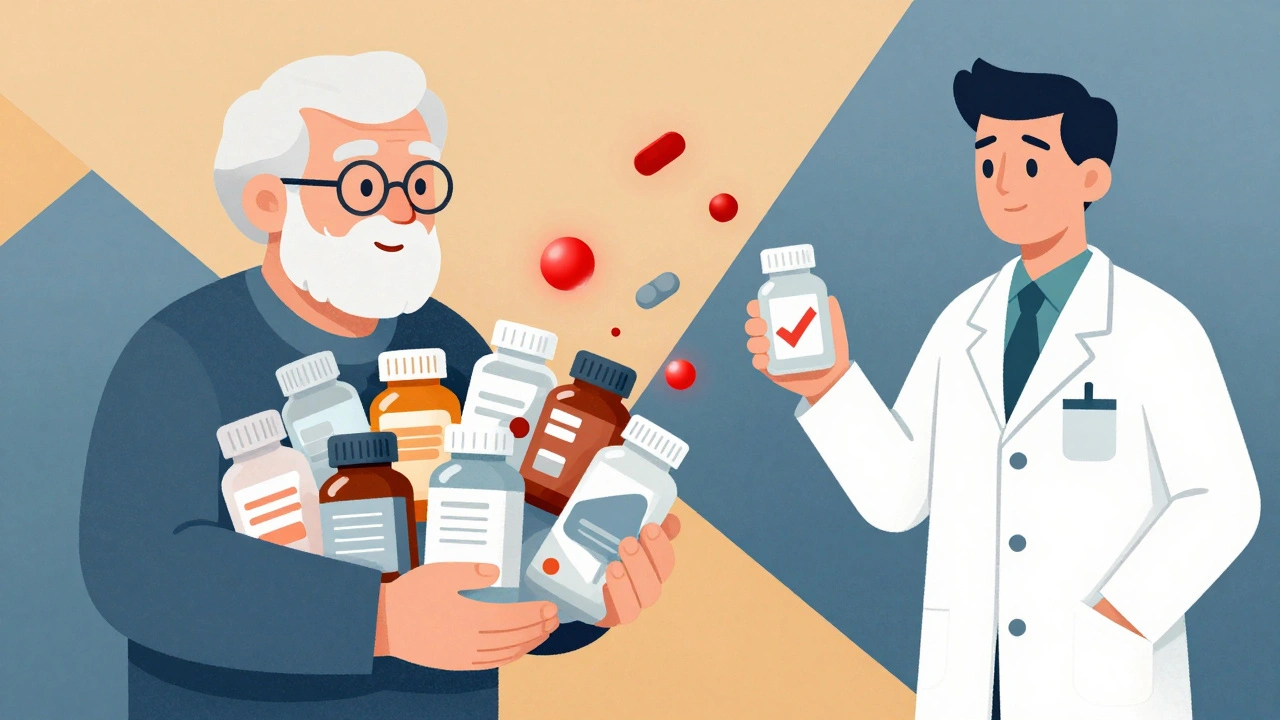
One of the biggest dangers is medication interactions, when two or more drugs react in your body in harmful ways. For example, taking a blood thinner with an NSAID like ibuprofen can raise your risk of internal bleeding. Or mixing certain antidepressants with migraine meds can trigger serotonin syndrome—a life-threatening surge in brain chemicals. These aren’t rare accidents. They happen every day because doctors and patients don’t always talk about everything being taken. That’s why bringing your actual pill bottles, physical containers with labels showing dosage, frequency, and prescribing doctor to appointments cuts errors by nearly 70%. It’s not about trust—it’s about proof.
Drug safety, the practice of ensuring medications work as intended without causing harm in polypharmacy isn’t just about what’s on the label. It’s about timing, diet, kidney function, and even how you store your pills. Grapefruit juice can turn a safe dose of a statin into a toxic one. Refrigerated drugs like insulin lose effectiveness if left out too long. And if you’re splitting pills without knowing if they’re designed for it, you might be getting half a dose—or twice as much. These aren’t theoretical risks. They’re real, documented, and preventable.
The system isn’t broken—it’s overloaded. Doctors juggle too many patients. Pharmacists are stretched thin. And patients often don’t know what questions to ask. But you don’t have to accept this as normal. You can take control. Start by asking: "Do I really need all of these?" "Could any of them be stopped or replaced?" "What happens if I miss one?" The answers aren’t always simple, but the conversation is the first step.
In the posts below, you’ll find real-world stories and clear guidance on how to manage multiple medications safely—from spotting dangerous interactions with common drugs like statins and blood pressure meds, to understanding why some pills shouldn’t be crushed, to knowing when to push back on a new prescription. You’ll learn how to work with your pharmacist, what to bring to your doctor, and how to avoid the most common mistakes that lead to hospital visits. This isn’t about fear. It’s about power—knowing what you’re taking, why, and how to stay in charge of your own health.