Travel Medication Plans: Managing Time Zones, Storage, and Side Effects
Learn how to manage your medications while traveling. Expert tips on time zone adjustments, safe storage for insulin and pills, and preventing side effects.
Read Details
Learn how to manage your medications while traveling. Expert tips on time zone adjustments, safe storage for insulin and pills, and preventing side effects.
Read Details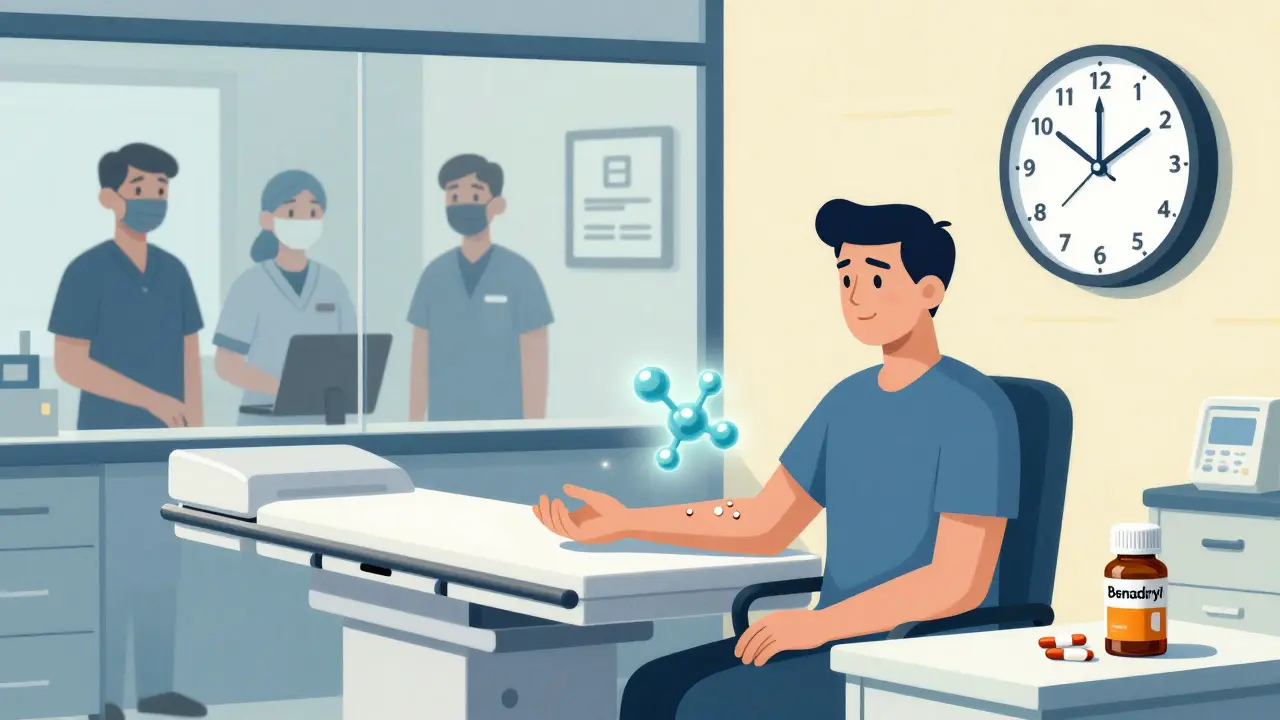
Learn how pre-medication with steroids and antihistamines reduces the risk of serious reactions to iodinated contrast dye used in CT and X-ray scans. Find out who needs it, what protocols work, and how to stay safe.
Read Details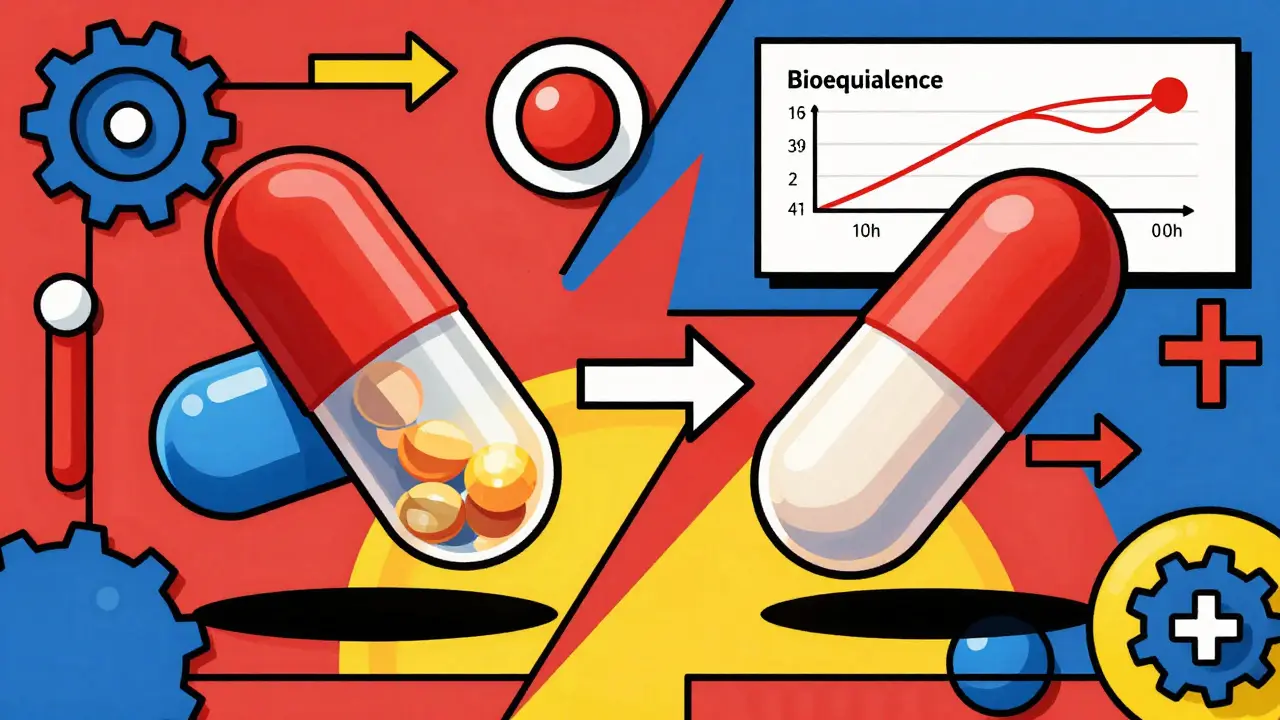
Infographics about generics help patients understand that generic drugs are just as safe and effective as brand-name drugs. These visual tools explain bioequivalence, FDA approval, and cost savings in simple, clear ways-cutting through myths and building trust.
Read Details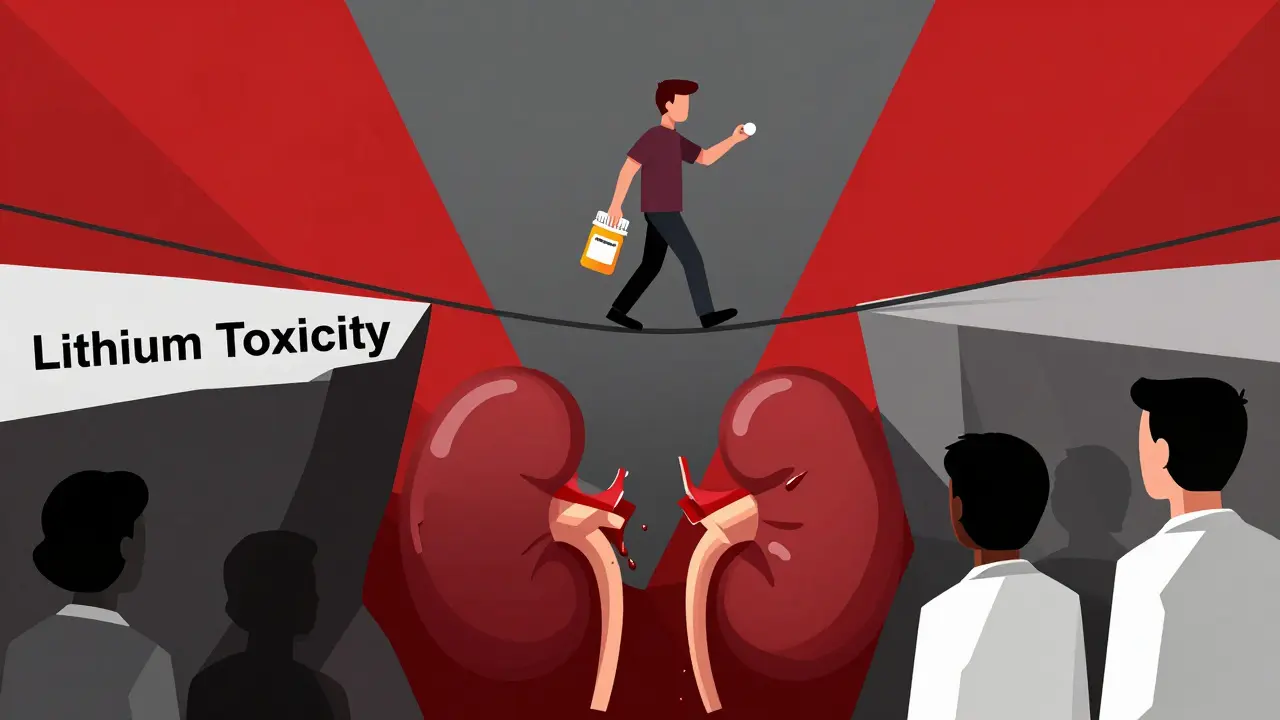
Lithium and NSAIDs together can cause dangerous kidney damage and life-threatening toxicity. Learn why even short-term use of common painkillers like ibuprofen is risky, what alternatives are safe, and how to protect your health if you're on lithium.
Read Details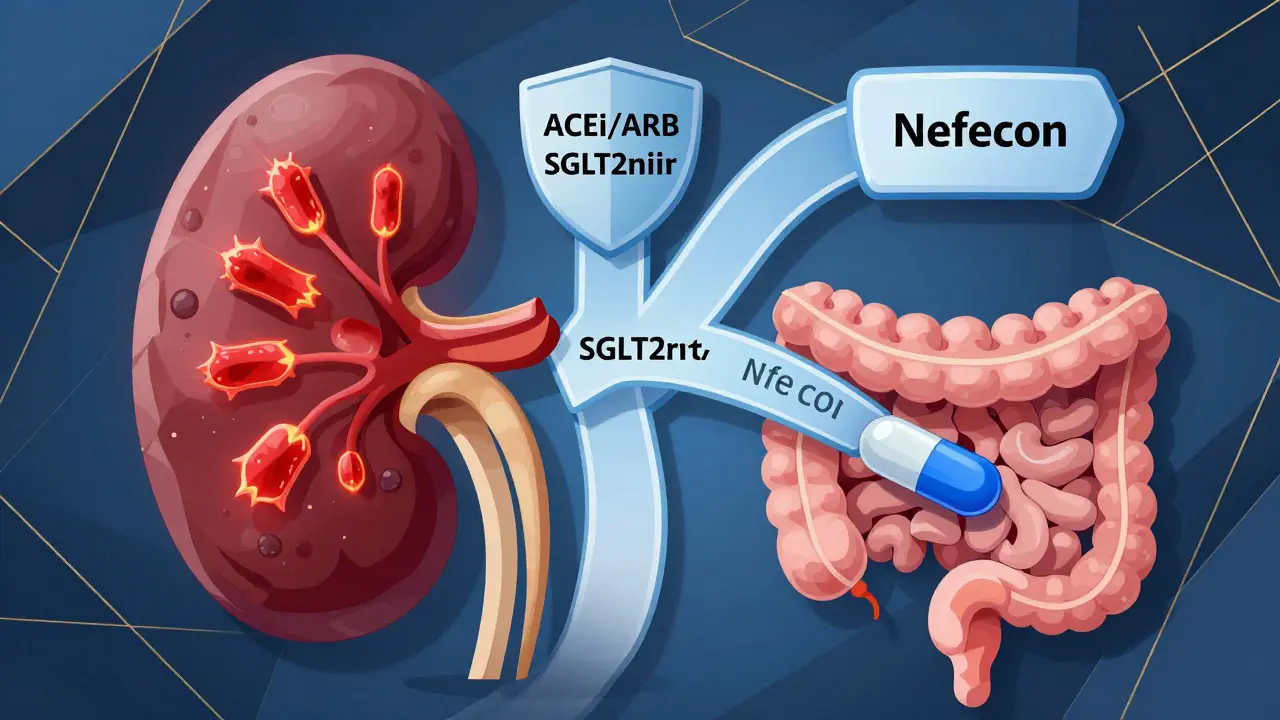
IgA Nephropathy is the most common cause of kidney inflammation worldwide. New KDIGO 2025 guidelines recommend early, combined therapy to prevent kidney failure. Learn the latest treatments, prognosis, and what patients really experience.
Read Details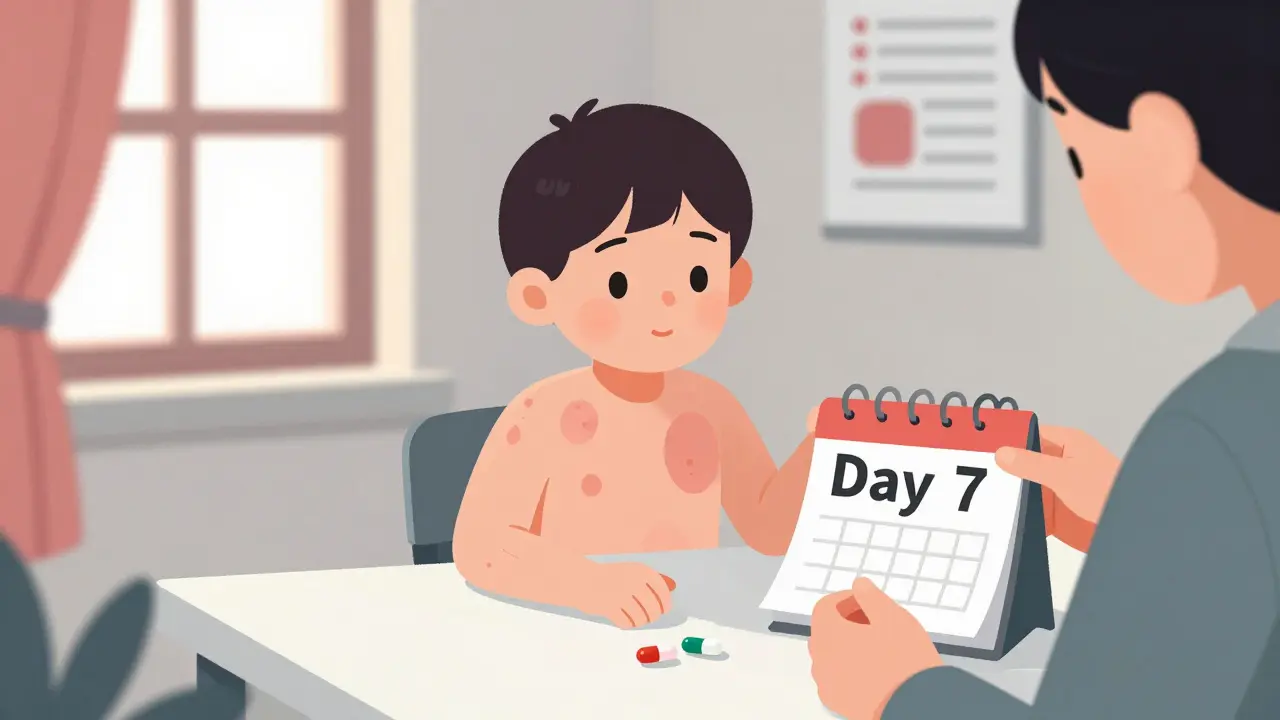
Most antibiotic rashes aren’t allergies - especially with amoxicillin. Learn how to tell the difference between harmless rashes and dangerous reactions, when to keep giving the medicine, and when to call the doctor immediately.
Read Details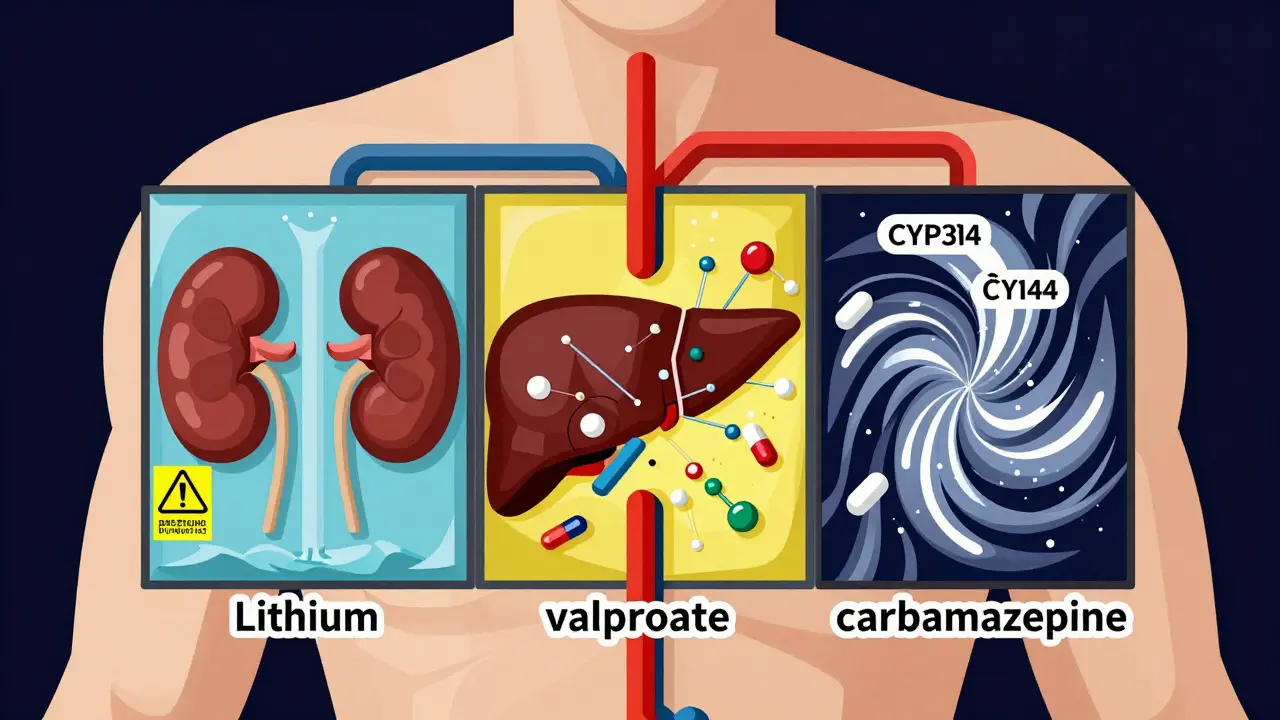
Lithium, valproate, and carbamazepine are cornerstone mood stabilizers, but their drug interactions can be dangerous. Learn how common medications like NSAIDs, birth control, and antiseizure drugs affect each one-and what you must do to stay safe.
Read Details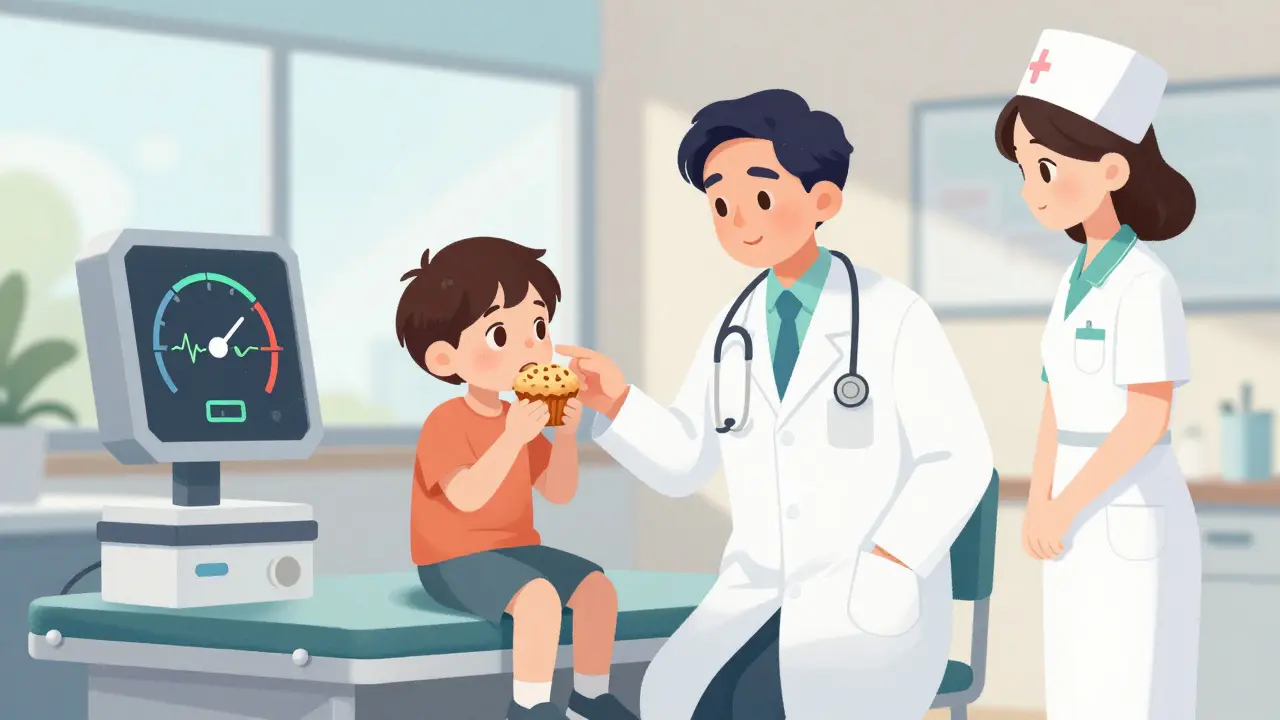
Oral food challenges are the gold standard for diagnosing food allergies, cutting through inaccurate test results to confirm whether a food truly triggers a reaction. Learn how it works, why it’s safe, and who benefits most.
Read Details
After a heart event, safe exercise is one of the most powerful tools for recovery. Learn the science-backed phases of cardiac rehab, warning signs to watch for, and how to build lasting heart-healthy habits-with real tips from patients and experts.
Read Details
Research shows conflicting results on whether vitamin D helps with statin side effects. The VITAL trial found no benefit for muscle symptoms, but statins may affect vitamin D levels depending on the type. Experts recommend against routine supplementation.
Read Details
Tramadol is an atypical opioid that can cause serotonin syndrome even alone - not just when mixed with antidepressants. Learn the risks, symptoms, and safer alternatives.
Read Details
Melanoma is deadly when caught late but nearly 100% curable if found early. Learn how AI, wearables, and immunotherapy are changing survival rates-and what you need to do now.
Read Details