Category: Medications - Page 2

Bioequivalence of Combination Products: Special Testing Challenges Explained

Bioequivalence testing for combination products like FDCs, topical creams, and inhalers faces unique scientific and regulatory hurdles. Learn why these generics take longer to approve and what's being done to fix it.

Read Details

Antiplatelet Side Effects: Clopidogrel, Prasugrel, and Ticagrelor Compared

Clopidogrel, prasugrel, and ticagrelor are powerful antiplatelet drugs used after heart attacks or stents. Each has different side effects: bleeding risks, breathing trouble, and genetic factors that affect how well they work. Learn how they compare and what to watch for.

Read Details

Antibiotic Overuse: How Misuse Fuels Resistance and C. difficile Infections

Antibiotic overuse is driving deadly resistance and C. difficile infections. Learn how misuse fuels superbugs, why common infections are becoming untreatable, and what you can do to protect yourself and others.

Read Details

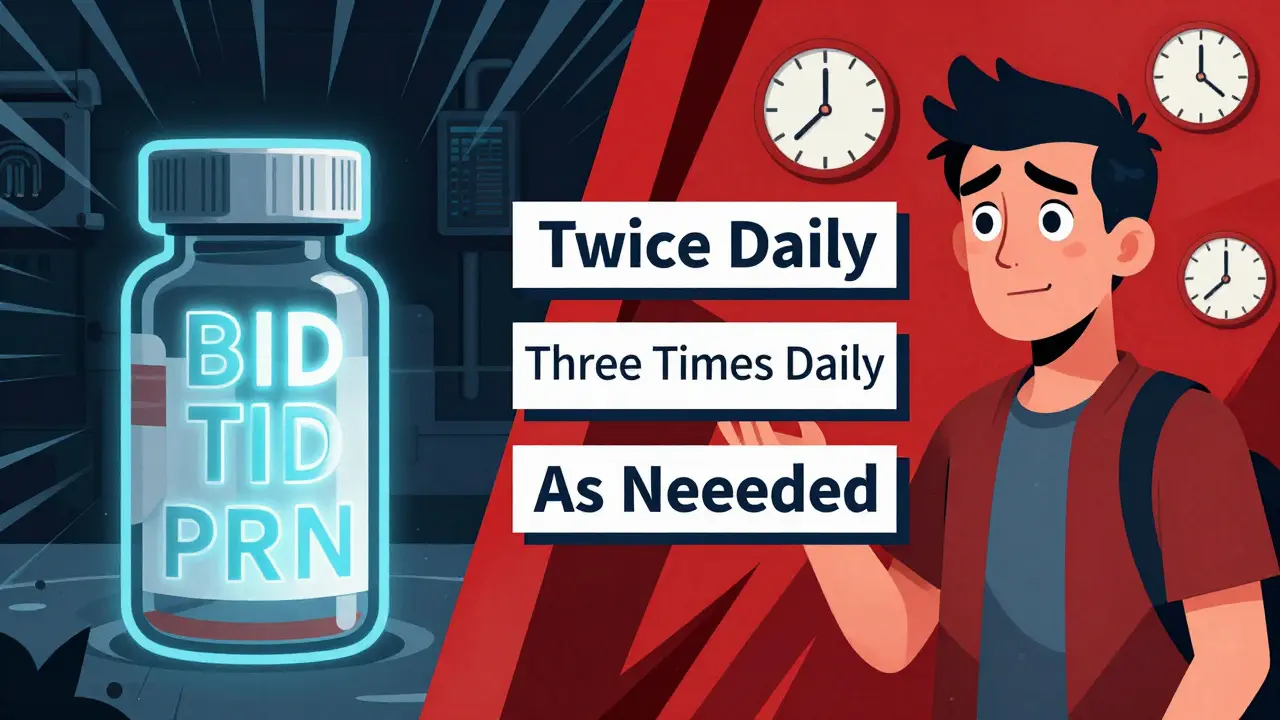
Extended-Release vs. Immediate-Release Medications: When Timing Matters for Safety and Effectiveness

Extended-release and immediate-release medications work differently-timing affects safety, effectiveness, and side effects. Learn when each type is right for you and how to avoid dangerous mistakes.

Read Details

Gabapentinoids in Pregnancy: What the Latest Safety Data Shows

Gabapentin and pregabalin are increasingly used in pregnancy for pain and seizures, but new research shows risks including heart defects, preterm birth, and NICU admissions. Learn what the latest data says about safety and what to do if you're taking these drugs.

Read Details

How to Address Allergies to Inactive Ingredients in Generics

Many generic medications contain hidden allergens like lactose, gluten, or dyes that aren't listed clearly on labels. Learn how to identify risky inactive ingredients, ask the right questions, and avoid allergic reactions - even when the active drug is the same.

Read Details

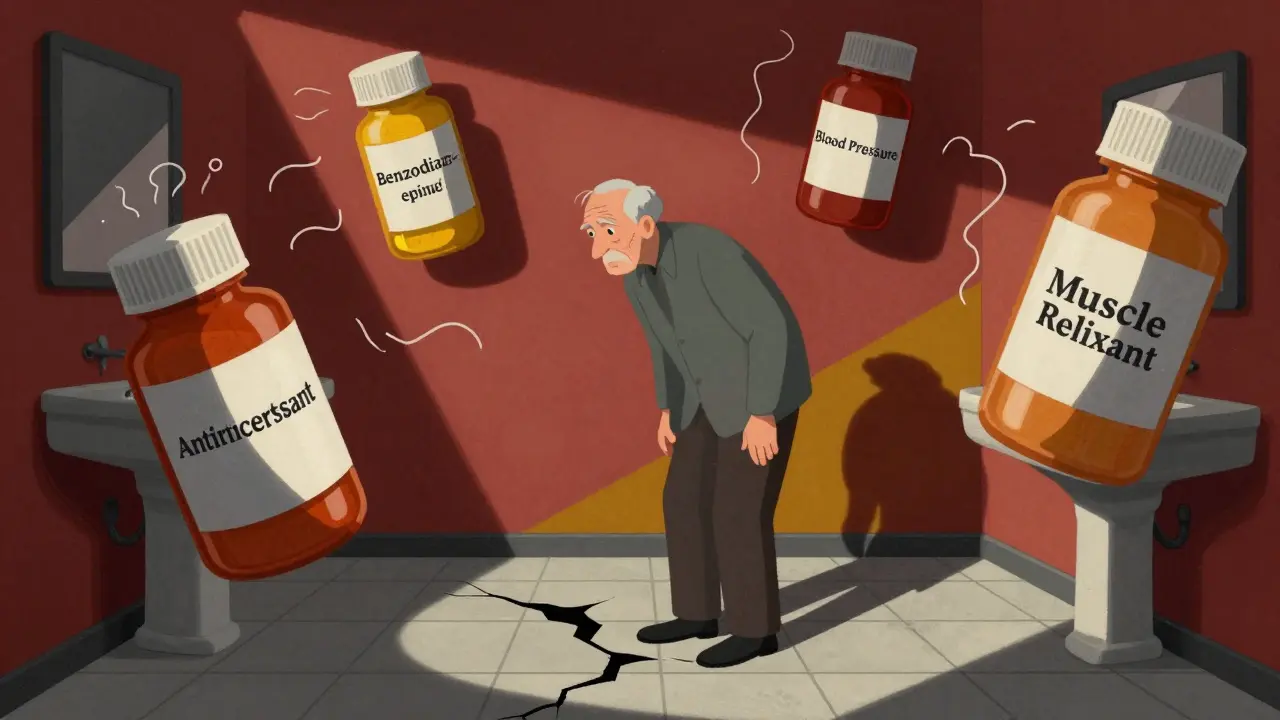
Anticholinergics: How These Common Medications Affect Memory and Cause Dry Mouth

Anticholinergic drugs like oxybutynin and Benadryl can cause memory loss, brain shrinkage, and severe dry mouth - especially in older adults. Learn which medications carry the highest risks and what safer alternatives exist.

Read Details

Botox for Migraine: Who Benefits and How It Works

Botox for migraine is a proven treatment for chronic migraine sufferers who haven't responded to oral medications. Learn how it works, who benefits most, and what to expect from treatment.

Read Details

Medication-Related Liver Damage: Signs and When to Act

Medication-related liver damage is silent and often missed until it's too late. Learn the real signs, which drugs cause it, and exactly when to seek emergency help before your liver fails.

Read Details

Pill Splitting Safety: Which Medications Are Safe to Split and Which Are Not

Learn which medications are safe to split and which ones can be dangerous. Save money with pill splitting-but only if you know the rules. Avoid risks with extended-release, enteric-coated, and hazardous drugs.

Read Details

Linezolid and Tyramine: What You Must Eat (and Avoid) to Prevent Hypertensive Crises

Linezolid can cause dangerous hypertensive reactions when mixed with tyramine-rich foods like aged cheese and red wine. Learn what to avoid, what’s safe, and how to prevent life-threatening reactions.

Read Details

Antiemetics and Parkinson’s Medications: Avoiding Dangerous Dopamine Interactions

Many antiemetics worsen Parkinson’s symptoms by blocking dopamine. Learn which nausea drugs are safe, which to avoid, and what to ask your doctor-before it’s too late.

Read Details