Stability Testing: Long-Term Quality Monitoring Post-Manufacture in Pharmaceuticals
Stability testing ensures pharmaceuticals remain safe and effective over time. Learn how it works, why it’s required, and what happens when it fails.
Read Details
Stability testing ensures pharmaceuticals remain safe and effective over time. Learn how it works, why it’s required, and what happens when it fails.
Read Details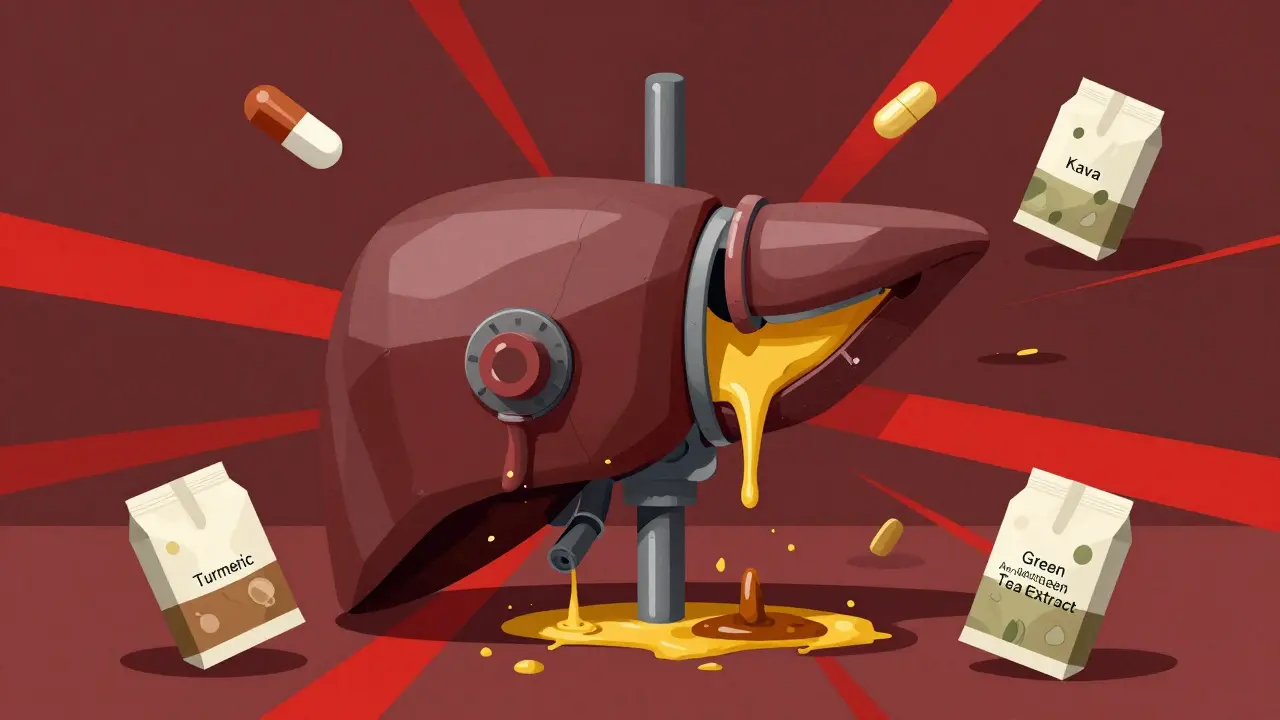
Medication-related liver damage is silent and often missed until it's too late. Learn the real signs, which drugs cause it, and exactly when to seek emergency help before your liver fails.
Read Details
Learn the top FDA deficiency letter findings for generic drug applications and how to fix them before submission. Avoid costly delays with proven strategies based on FDA data.
Read Details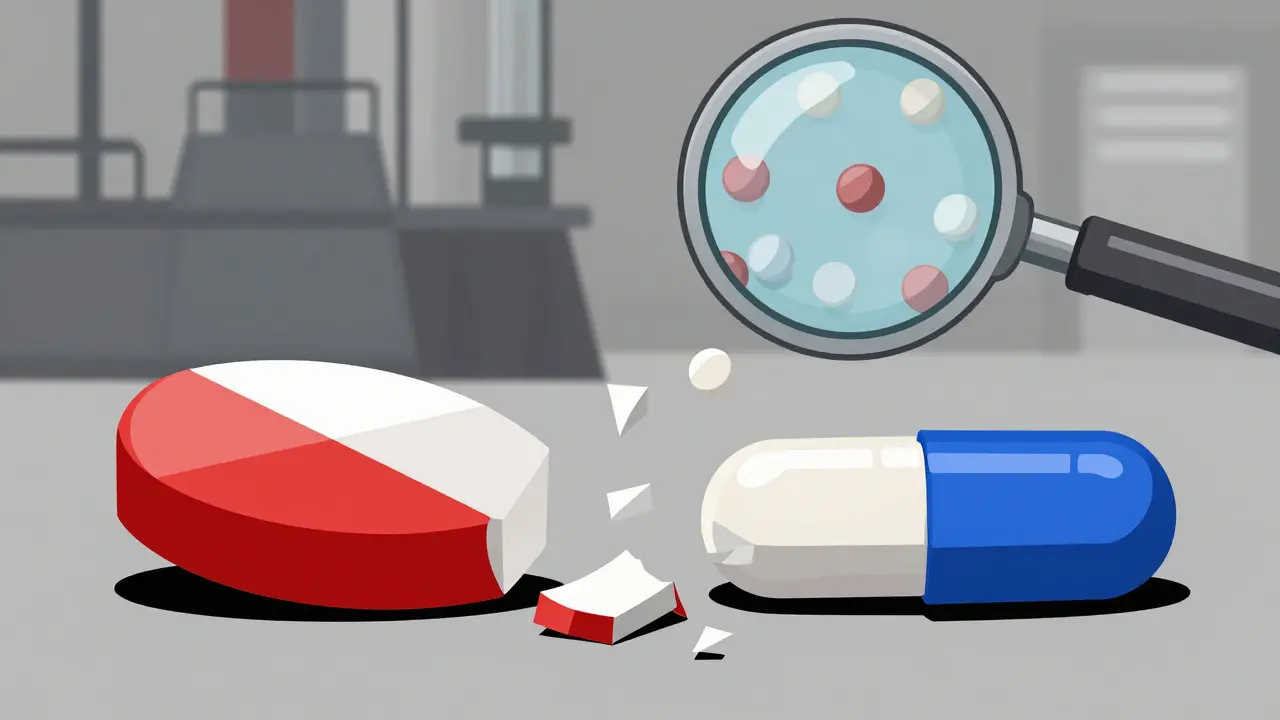
Learn which medications are safe to split and which ones can be dangerous. Save money with pill splitting-but only if you know the rules. Avoid risks with extended-release, enteric-coated, and hazardous drugs.
Read Details
Learn the science-backed behavioral changes that actually improve sleep quality - no pills or gadgets needed. Focus on the 4 habits that matter most and avoid the myths that waste your effort.
Read Details
Most workplace wellness programs fail because employees don't understand how they benefit. Learn how to educate staff with clear, personalized messaging that boosts participation, lowers costs, and builds trust.
Read Details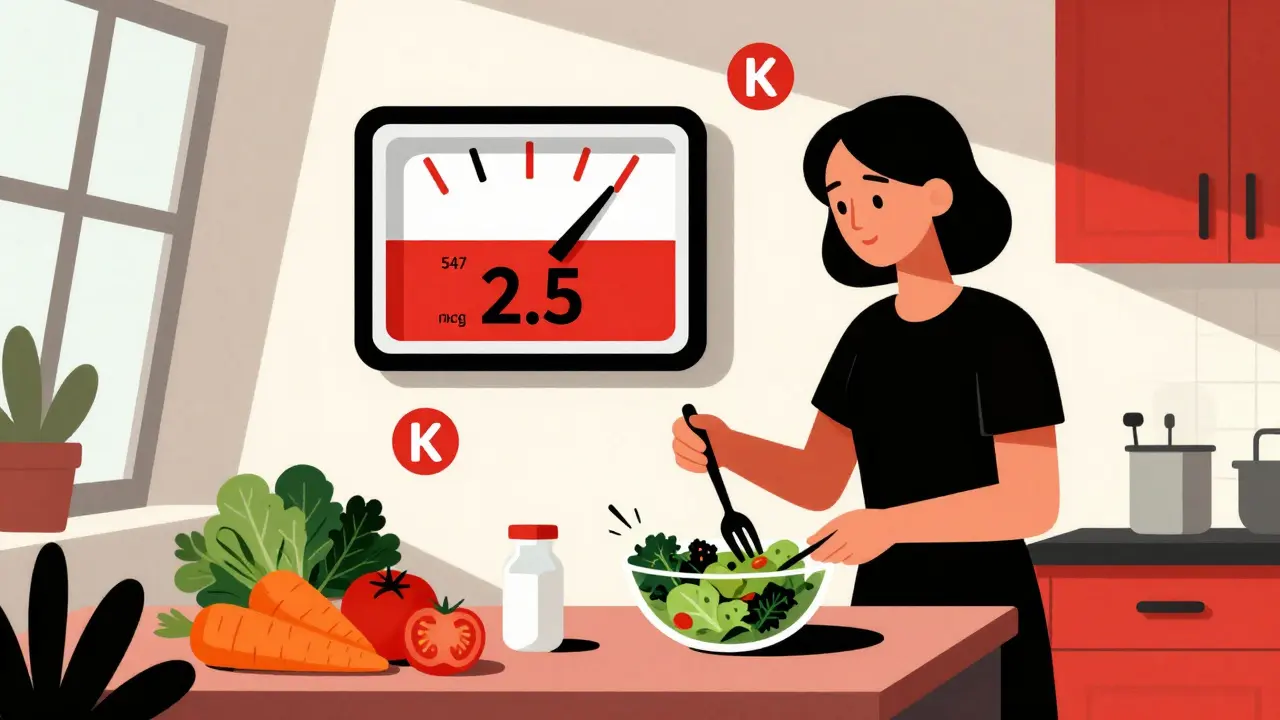
Learn which vegetables are high in vitamin K and how to eat them safely while taking warfarin. Avoid dangerous INR swings with consistent intake-not elimination.
Read Details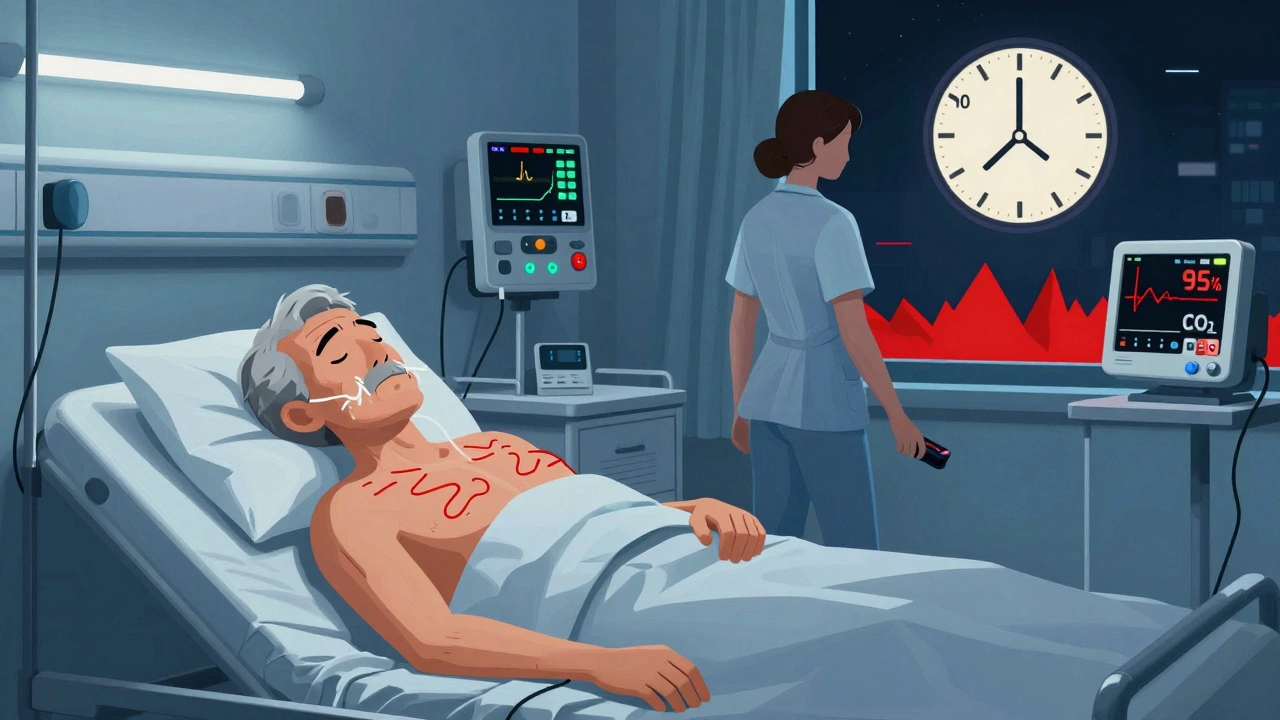
Respiratory depression from opioids and other medications can be silent and deadly. Learn the critical signs, who’s most at risk, and what actually works to prevent it - backed by clinical data and real-world protocols.
Read Details
Many antiemetics worsen Parkinson’s symptoms by blocking dopamine. Learn which nausea drugs are safe, which to avoid, and what to ask your doctor-before it’s too late.
Read Details
Starting at age 45, colorectal cancer screening saves lives. Colonoscopy is the most effective method, catching and preventing cancer before it spreads. Chemotherapy regimens like FOLFOX and CAPOX are standard for advanced cases, with targeted and immunotherapy options for specific tumor types.
Read Details
The Federal Circuit Court controls all U.S. pharmaceutical patent appeals, shaping when generics can launch, how patents are challenged, and ultimately, drug prices. Its rulings on ANDA jurisdiction, dosing patents, and standing have transformed the industry.
Read Details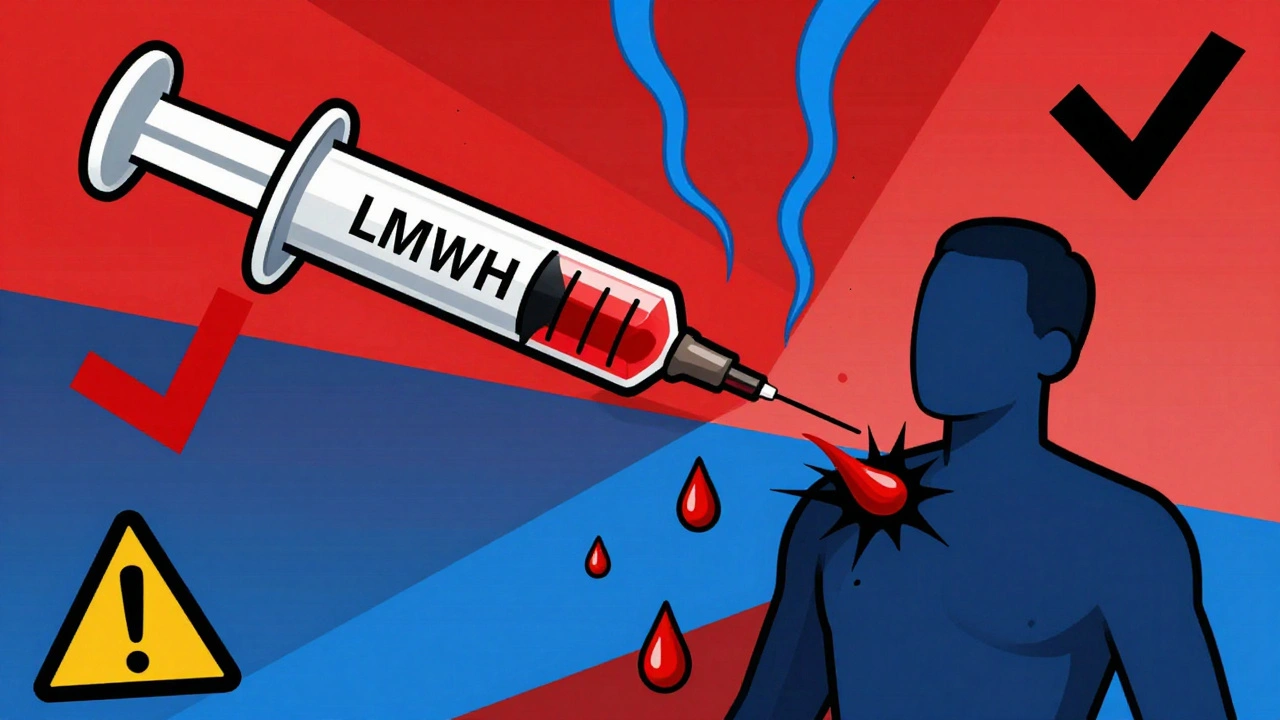
Anti-Xa monitoring for LMWH isn't routine-but it's critical when patients bleed unexpectedly or form clots despite treatment. Learn when testing is necessary and how to avoid dangerous mistakes.
Read Details